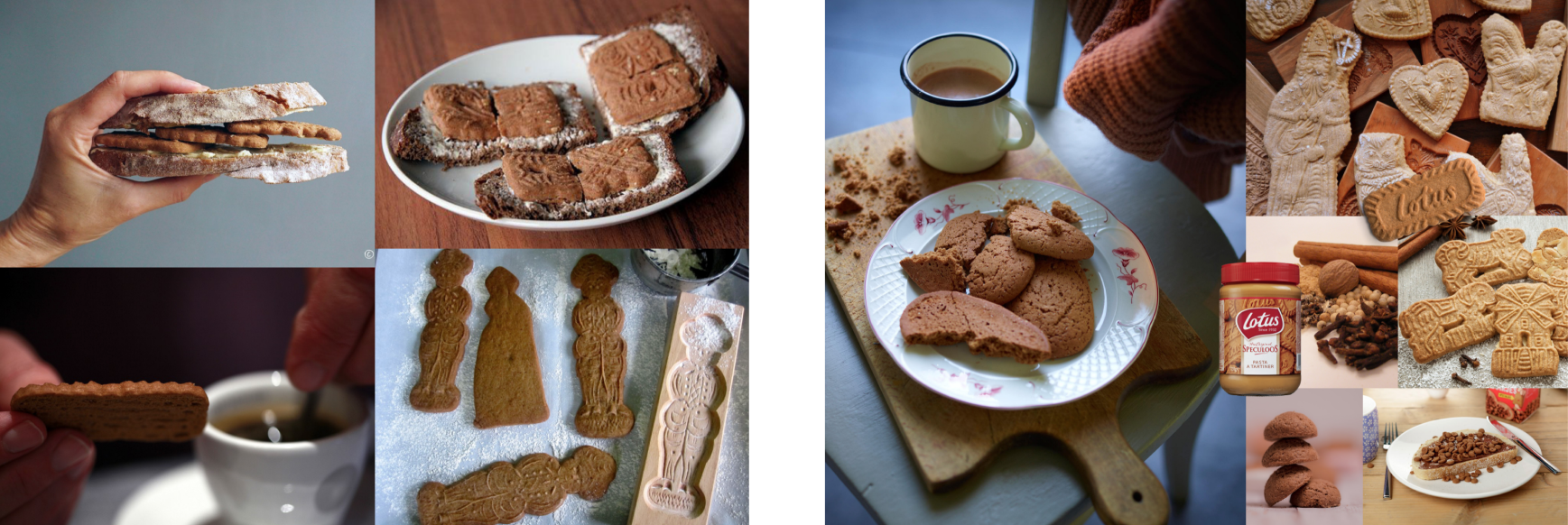
Specula is a product that draws from an old Dutch ritual and is created to fit in modern day life. As a child, I remember my grandparents enjoying a special breakfast from time to time on small wooden breakfast boards. They dipped speculaas, a typical Dutch ginger biscuit, in coffee and spread it on their buttered sandwich. It is a ritual I haven’t seen in years! Nowadays we have speculaas spread for our bread, but that’s just not the same. It misses all the crunchy bits! Not to mention the coffee flavour.
.png)
The tray has several functions; the top side carries the buttered bread slices with a knife, a butter saucer and a cup of coffee. The bottom side with a minimalistic pattern, is the speculaas biscuit mould and at the same time the measuring cup for all the dry ingredients.
Traditionally, speculaas biscuits are made using a wooden mould in the shape of a man. In English we know them as the gingerbread man. A boy would declare his love to a girl by decorating this gingerbread man and giving it to her.
I wanted to solely focus on the sandwich preparation interaction guided by a minimalistic design approach, so therefore steered clear from a human-like shaped biscuit mould. Unlike the custom shape, I did choose wood for the mould as it is a traditional material. It’s also a nod to my grandparents always eating breakfast from wooden boards.
Client
Master Design for Interaction by TU Delft (NL)
Roles
Interaction Designer
Product Designer
Researcher
Team
I completed all the work myself
This project, facilitated by the Master course ZEN Product Design at the TU Delft, focused on daily rituals and social interactions. As a student I needed to develop a vision of minimalist product design through using the ZEN design method.
The main focus was placed on the design of a social ritual to regain some life qualities that have been lost in the past. An excellent example for such a ritual is a quick text message compared to a handwritten letter on parchment paper.
Main challenge: moving onto this more abstract level of thinking to create a product that supports a chosen ritual felt at first incredibly intangible and vague, but turned out to be a playful new approach I really enjoyed.
I specifically choose this Master elective to improve my CAD and rendering skills and to learn a different way of realising a concept. The start of a design project excites me a lot, as this is a phase where anything is possible and surprising ideas can be explored.
Take a look at the diagram. This method is different as it does not focus on a desired product first, but rather on desired qualities, in the sense of materiality (form, colour, material, texture) and social interaction, guided by a ritual. After receiving the design brief, I studied the literature Form/Color Anatomy: Second Edition by the author and also the course lecturer Ger Bruens. The literature gave a deeper understanding on the use of the ZEN principles, minimalistic form language, the use of colour and texture in product design and the creation of a ritual.
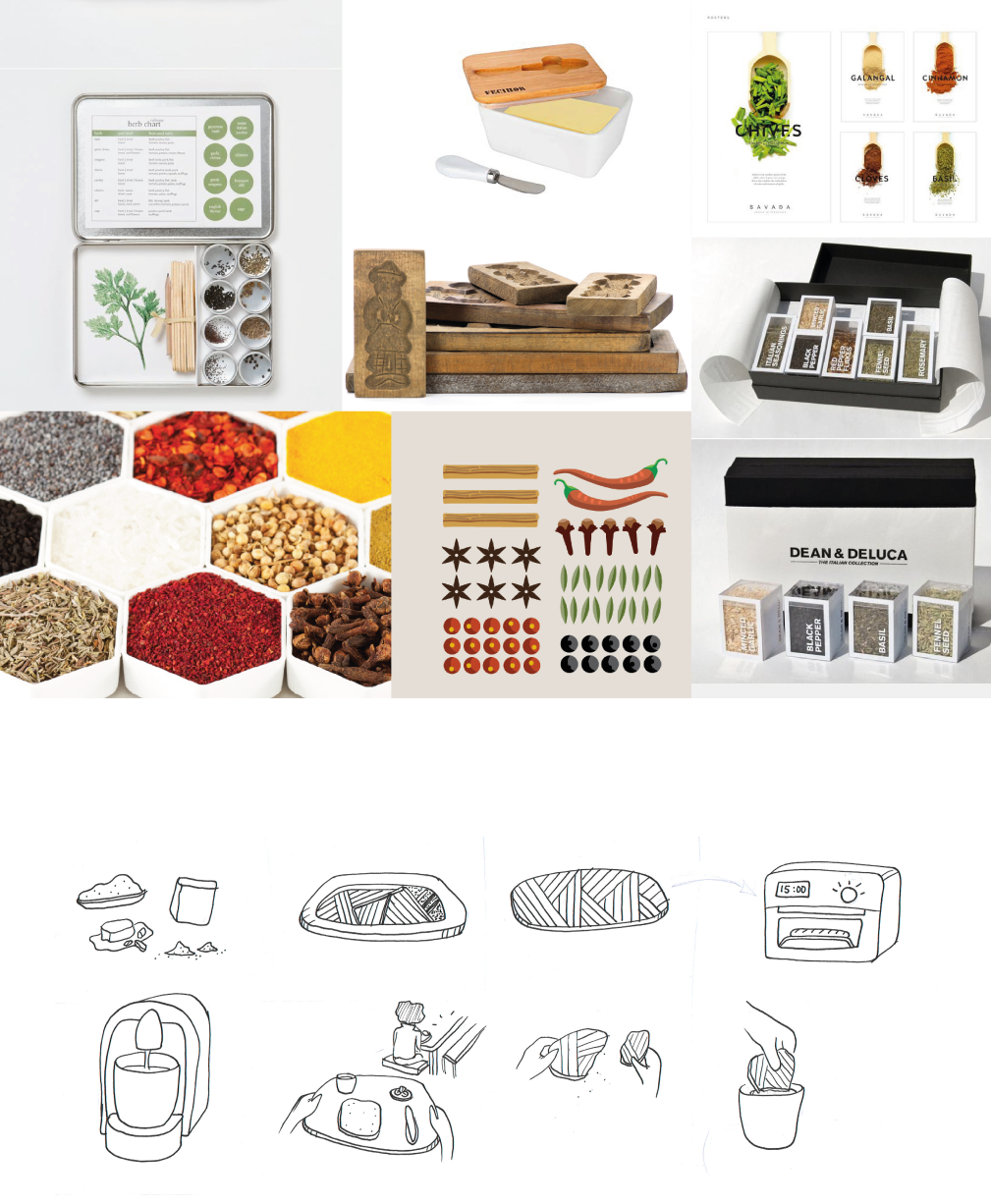
I then created a ritual, alongside three collages to support the design process in a later stage. This was followed by the development of a storyboard, after which the product design process could kick-off.
.png)
There were two ways to create a ritual:
Richness comes into play when you don’t focus on saving time, but on the quality of the interaction. I chose a ritual that made me reminisce to the days where my grandparents would enjoy their breakfast by dipping speculaas biscuits in coffee to then spread this out on a buttered bread slice.


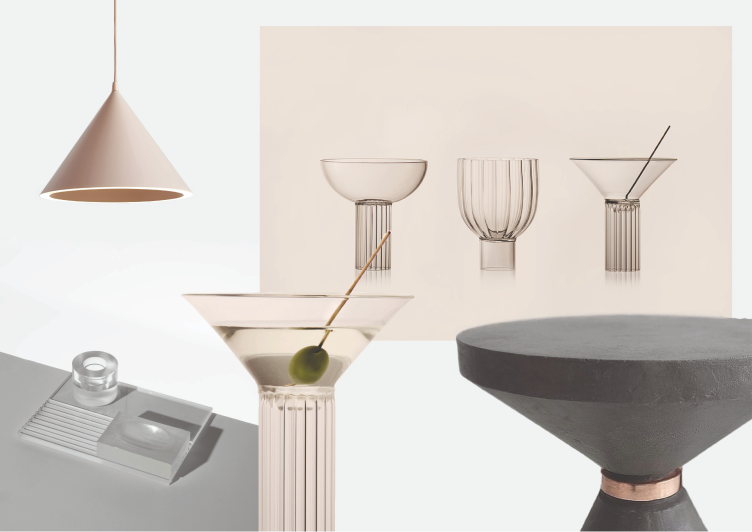
The minimalistic collage was a study focused on the minimalistic form language. The idea of ‘less is more’ is a very prominent feature of the ZEN principles.
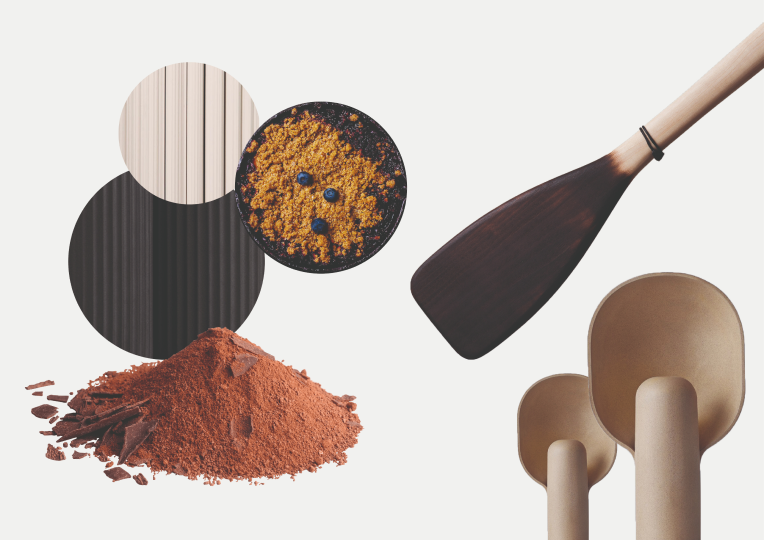
The memetic collage forms the ‘look’ of the ritual. It focuses on the form, colour, materials and texture.


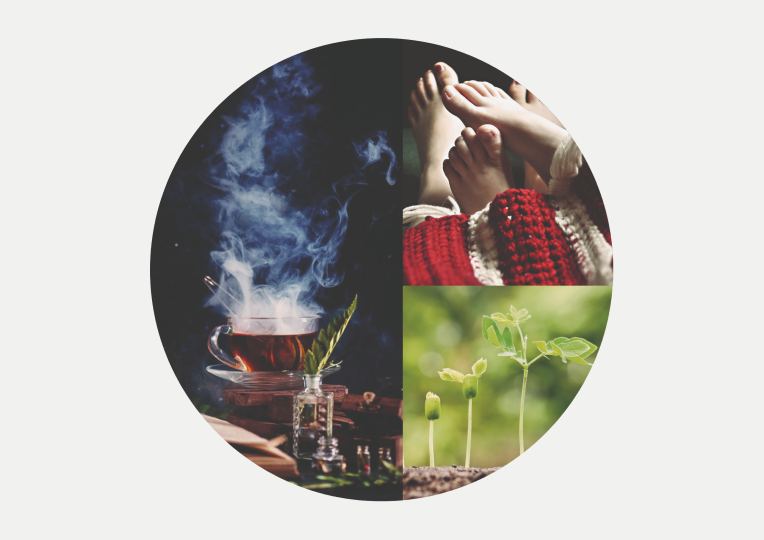
The emotive collage embodies the ‘feel’ I wanted my ritual to have. So, it reflects on the desired emotion the design needs to evoke.
In order to create a desired ritual, it is important to know in detail how the current day ritual goes. To see how quality in the new desired ritual can be added, I first needed to know where it was lost.
I created two storyboards, one with the original scenario and one with the desired scenario. The desired scenario focused on the emotional requirements and interaction.
.png)
.png)
This phase follows more of a ‘normal’ design process, where the detailed desired ritual and the mood boards provides the foundation to the list of design requirements. The main focus here is on designing a coherent ‘form language’ with several products into play.

At this point SPECULA was born, which consists of 4 components: a coffee cup, a butter knife, a butter saucer and a wooden board
The wooden board has several functions, the top side is a tray to serve breakfast on and the bottom side is the speculaas biscuit mould as well as a measuring cup for all the dry speculaas ingredients.
With the minimalist lens in mind, the shapes of SPECULA are geometric and clean and this is also translated in the pattern of the mould.

This 84-hour long project was first of all a lot of fun! I learned a new design method and sharpened my design and computer skills through the use of an individually chosen topic. On a weekly basis I had meetings with fellow students and an experienced coach, where the project work was reflected upon and evaluated by the group. This allowed for brainstorming opportunities and finetuning of the concept.
Solidworks, Keyshot, ZEN design method, conceptualisation, group reflections
When reflecting upon the outcome of the design there are three things I would have done differently